
DOL-OWCP Clinics Serving Federal Workers in Arvada
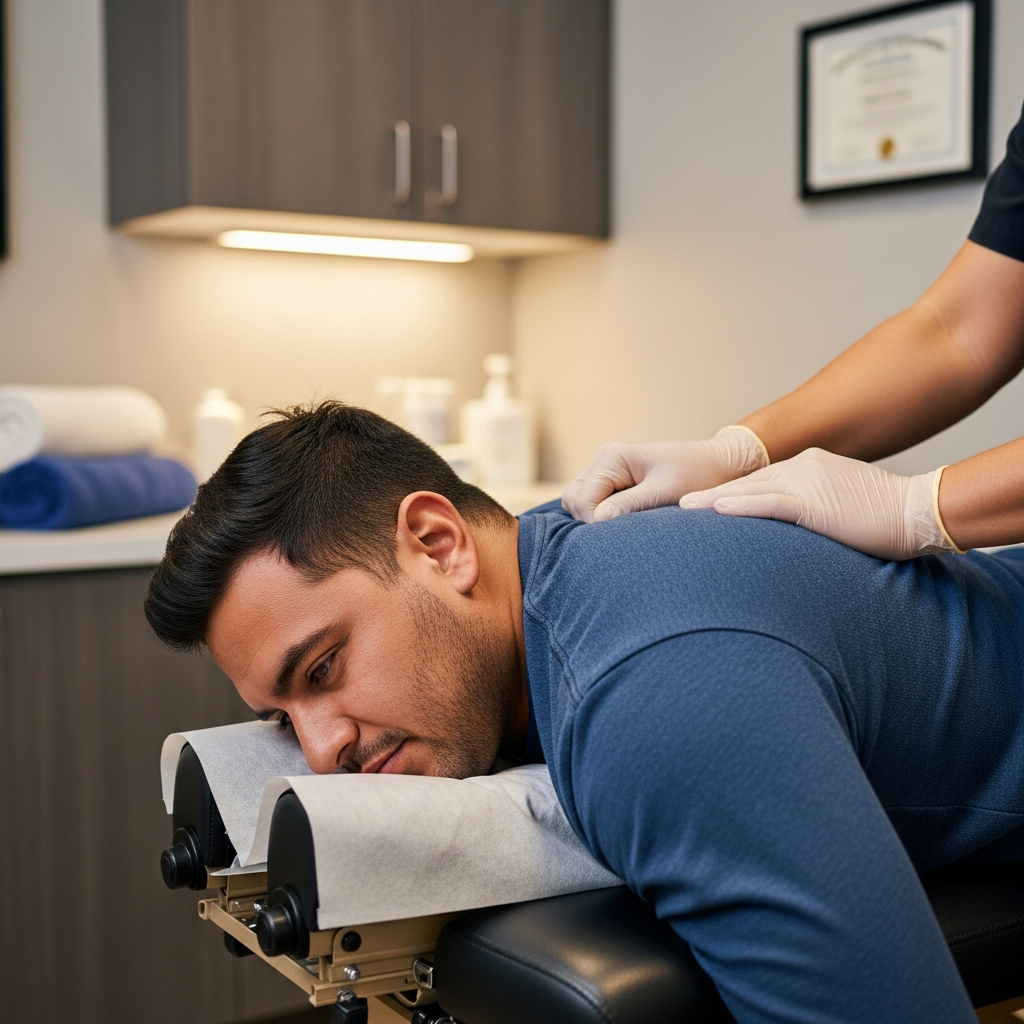
Maria’s hand was shaking as she filled out the workers’ compensation paperwork at 2 AM, her laptop screen glowing in the dark kitchen. The federal employee had injured her back lifting boxes at the postal facility three weeks ago, and now she was drowning in forms she didn’t understand, medical appointments that felt rushed, and a growing pile of medical bills that made her stomach churn. Sound familiar?
If you’re a federal worker in Arvada – or anywhere in Colorado, really – you’ve probably been there. That moment when work becomes… well, literally painful. And suddenly you’re thrust into this maze of acronyms and procedures that feels designed to confuse rather than help. DOL-OWCP clinics? What even is that? (Don’t worry, we’ll get to it.)
Here’s the thing that nobody tells you when you start working for the federal government: you’re not just another employee when it comes to workplace injuries. You’re part of a completely different system – one that’s actually designed to protect you better than most private sector workers ever dream of. But – and this is a big but – only if you know how to navigate it.
The Department of Labor’s Office of Workers’ Compensation Programs isn’t just some bureaucratic afterthought. It’s your lifeline when work literally hurts you. And in Arvada, where federal employees make up a significant chunk of the workforce (think postal workers, federal building staff, TSA agents, and countless others), understanding this system isn’t just helpful – it’s essential.
You know what’s maddening though? Most federal workers have no clue these specialized clinics even exist. They end up at regular urgent care centers, paying out of pocket, fighting with insurance companies that don’t understand federal workers’ comp… it’s a nightmare that’s completely avoidable.
I’ve seen federal employees – smart, capable people – completely overwhelmed by what should be a straightforward process. Take James, a maintenance worker at the federal building downtown. He hurt his shoulder on the job and spent three months bouncing between doctors who didn’t understand OWCP requirements. Three months! Meanwhile, his pain got worse, his bills piled up, and his stress levels… well, let’s just say his wife wasn’t thrilled with his mood at dinner.
The truth is, DOL-OWCP clinics in Arvada are specifically set up to handle federal workers’ compensation cases. They know the paperwork. They understand the timeline requirements. They speak the language that gets your claim processed efficiently instead of stuck in bureaucratic limbo.
But here’s where it gets interesting – and this is something that might surprise you. These aren’t just “injury clinics.” The best OWCP-authorized providers understand something crucial: getting you back to work isn’t just about fixing what’s broken. It’s about your entire wellbeing. Your stress levels. Your family’s financial security. Your ability to sleep at night without worrying about medical bills.
That’s where medical weight loss becomes part of the conversation, actually. Sounds random, right? But think about it – workplace injuries often lead to decreased activity, stress eating, medication side effects that mess with your metabolism… Suddenly you’re dealing with weight gain on top of everything else, and that extra weight? It’s making your original injury worse. It’s like a frustrating cycle that keeps spinning.
In the coming sections, we’re going to walk through everything you need to know about DOL-OWCP clinics serving Arvada federal workers. Not the dry, bureaucratic stuff you’ll find on government websites, but the real, practical information you actually need. How to find the right clinic. What to expect during your first visit. How to make sure your paperwork doesn’t disappear into the void. And yes – we’ll talk about how comprehensive care, including weight management support, can actually speed up your recovery process.
You shouldn’t have to figure this out alone at 2 AM like Maria did. By the time you finish reading, you’ll know exactly where to go, what questions to ask, and how to get the care you deserve as a federal employee. Because honestly? You’ve earned it.
What DOL-OWCP Actually Means (And Why It Matters to You)
Let’s be honest – government acronyms can feel like alphabet soup sometimes. DOL-OWCP stands for Department of Labor’s Office of Workers’ Compensation Programs, but here’s what that really means for you as a federal employee: it’s essentially your safety net when work-related injuries happen.
Think of it like this – you know how your car insurance kicks in after an accident? OWCP is similar, except it covers you when your job causes an injury or illness. Whether you’re a postal worker who hurt your back lifting packages, a park ranger who developed hearing issues from equipment noise, or an office worker dealing with repetitive stress injuries… OWCP is designed to have your back.
The thing is, it’s not just about obvious injuries like a slip and fall. Work-related conditions can be sneaky – developing slowly over months or years. That shoulder pain from repetitive computer work? The stress-related condition from a particularly demanding assignment? These can qualify too, though proving the connection sometimes feels like solving a puzzle.
How Federal Worker Compensation Actually Works
Here’s where things get a bit counterintuitive. Unlike regular health insurance where you just show up at any doctor’s office, OWCP has its own system. You can’t just walk into any clinic and expect them to handle your workers’ comp claim – it doesn’t work that way.
OWCP-approved clinics are specifically authorized to treat federal workers under this program. They understand the paperwork (and trust me, there’s paperwork), they know how to document injuries properly, and they’re familiar with the sometimes Byzantine approval processes.
It’s kind of like having a specialist translator when you’re in a foreign country – sure, you might be able to muddle through on your own, but wouldn’t you rather have someone who speaks the language fluently?
The Medical Weight Loss Connection You Might Not Expect
Now, here’s something that catches many federal workers off guard – work-related weight gain and metabolic issues can actually fall under OWCP coverage in certain situations. I know, it sounds unusual at first.
But think about it… if your job involves shift work that disrupts your sleep patterns and metabolism, or if you developed mobility limitations from a work injury that led to significant weight gain, these aren’t just personal health issues anymore. They’re work-related complications that can require medical intervention.
Some federal workers develop what we call “secondary conditions” – health problems that stem from their original work injury. If you hurt your knee on the job and can’t exercise like you used to, leading to weight gain and diabetes… well, that’s not just bad luck. That’s a cascade of health issues that started with your workplace injury.
Why Regular Clinics Sometimes Fall Short
Here’s the frustrating part – your regular doctor, no matter how wonderful they are, might not fully understand the OWCP system. It’s not their fault; it’s just not what they deal with every day.
I’ve seen federal workers get stuck in this weird limbo where their regular healthcare provider wants to help but doesn’t know the right forms to fill out or the specific documentation requirements. Meanwhile, they’re dealing with pain or health issues that need attention now, not after weeks of bureaucratic back-and-forth.
It’s like trying to use your library card at a video rental store (okay, maybe that’s showing my age, but you get the idea). The intentions are good, but the systems just don’t align.
The Arvada Advantage – Location Matters More Than You’d Think
Being in Arvada puts you in an interesting position as a federal worker. Colorado has a significant federal workforce – from the Denver Federal Center to various agencies scattered throughout the metro area. This means there’s actually decent infrastructure for federal worker healthcare needs, including OWCP-approved facilities.
The proximity to Denver’s medical facilities means you’re not stuck with limited options, but you also don’t have to deal with the parking nightmares and urban chaos of downtown medical districts. It’s that sweet spot of accessibility without the headaches.
Plus, let’s be real – when you’re already dealing with a work injury or health issue, the last thing you want is a stressful commute to your medical appointments. Sometimes the practical stuff matters just as much as the medical expertise.
Finding the Right Clinic for Your Specific Injury Type
Not all DOL-OWCP clinics are created equal, and honestly? You don’t want to end up at a place that treats your complex shoulder injury like a simple sprain. Here’s what most federal workers don’t realize – you can actually research which Arvada clinics specialize in your type of injury before you even walk through the door.
Start by calling the clinic directly and asking about their experience with cases similar to yours. A good question? “How many federal workers with rotator cuff injuries have you treated in the past six months?” If they hesitate or give you a vague answer… that’s your cue to keep looking.
Pro tip: The clinics that work regularly with OWCP cases will have staff who can quote form numbers from memory. They’ll know CA-17s from CA-20s without blinking. That’s the level of familiarity you want.
Maximizing Your Initial Appointment
Your first visit sets the tone for everything that follows – and I mean everything. The documentation from this appointment becomes the foundation of your entire case, so you can’t afford to wing it.
Come armed with a detailed timeline of your injury. Not just “it happened last Tuesday,” but the exact circumstances, what you were doing, who witnessed it, and how the pain has progressed since then. Write it down beforehand because when you’re sitting in that exam room, your mind will go blank.
Bring copies of any incident reports you’ve filed, witness statements, and yes – even photos if your injury is visible. The clinic needs to see the complete picture, not just what’s happening in that moment during your exam.
Here’s something that catches people off guard: be prepared to explain how your injury affects your daily life outside of work. Can you lift your coffee mug? Sleep through the night? These details matter more than you’d think for your treatment plan.
Navigating the Paperwork Maze (Without Losing Your Mind)
Let’s be real – the paperwork is overwhelming. But there’s a method to the madness, and once you understand the system, it becomes… well, still annoying, but manageable.
Always, always get copies of everything. The clinic should provide you with copies of all forms they submit on your behalf, but sometimes things get “lost” in the shuffle. Keep a folder – physical or digital – with every single document related to your case.
When you’re filling out forms, be thorough but don’t embellish. Stick to facts. “Sharp, stabbing pain that worsens with overhead movements” is better than “excruciating, unbearable agony.” The adjuster reading your file has seen it all, and dramatic language can actually work against you.
Here’s an insider secret: If you need to submit additional documentation after your appointment, don’t just email it to the clinic and hope for the best. Hand-deliver it or send it certified mail with a return receipt. Get proof that they received it.
Building a Strong Relationship with Your Provider
This might sound obvious, but treat your healthcare providers like the professionals they are. Show up on time, follow their recommendations, and communicate openly about what’s working and what isn’t.
But here’s the thing – you’re also a customer, and a fairly important one at that. These clinics depend on OWCP contracts, so don’t be afraid to advocate for yourself if something doesn’t feel right. If your physical therapist seems to be going through the motions, speak up. If appointments are consistently running 45 minutes behind schedule, mention it.
The best providers will appreciate a patient who’s engaged in their own care. Ask questions about your treatment plan. Understand why they’re recommending specific exercises or procedures. When you’re informed, you become a partner in your recovery rather than just a passive recipient of care.
Avoiding Common Pitfalls That Can Derail Your Case
Here’s where I see federal workers shoot themselves in the foot: they miss appointments without proper notice, or they fail to follow through on recommended treatments. OWCP is watching, and patterns of non-compliance can seriously damage your case.
If you absolutely cannot make an appointment, call as soon as possible – ideally 24 hours in advance. Document the reason for cancellation. “Family emergency” or “severe symptom flare-up” are legitimate reasons. “Forgot about it” or “didn’t feel like going” are not.
Another mistake? Trying to rush back to work before you’re actually ready. I get it – there’s pressure from supervisors, financial concerns, pride… but returning too early often leads to re-injury and a much more complicated case down the road.
Your recovery timeline isn’t a race. It’s a process, and the goal is getting you back to full function – not just back to your desk.
The Paperwork Nightmare (And How to Tame It)
Let’s be honest – federal workers’ compensation paperwork isn’t exactly designed with user-friendliness in mind. You’re dealing with forms that seem to multiply overnight, deadlines that sneak up on you, and documentation requirements that’d make a tax attorney weep.
The biggest trap? Assuming your clinic handles all the paperwork automatically. They don’t. You’re still responsible for tracking claim numbers, understanding which forms go where, and – this one gets everyone – knowing the difference between CA-1 (sudden injury) and CA-2 (occupational disease) claims.
Here’s what actually works: Create a simple folder system, either digital or physical. One section for initial claim documents, another for ongoing medical reports, and a third for correspondence. When your Arvada clinic sends you something, file it immediately. Don’t let it sit on your kitchen counter for “just a day or two” because that’s how important deadlines get missed.
When Your Claim Gets Denied (It Happens More Than You’d Think)
Nobody talks about this enough, but claim denials are surprisingly common – even for legitimate injuries. Sometimes it’s a technicality, like missing a 30-day filing deadline. Other times, the connection between your work duties and your injury isn’t clear enough for the claims examiner.
The mistake most people make? Panicking and giving up. Or worse, trying to handle the appeal process alone while dealing with pain and medical appointments.
Your DOL-OWCP clinic in Arvada has seen this rodeo before. They know which documentation strengthens your case and which arguments fall flat. But – and this is crucial – they can’t read minds. You need to communicate clearly about your work environment, the specific incident, and how your symptoms have progressed.
If you get denied, don’t take it personally. Claims examiners aren’t villains – they’re just working within a system that demands very specific types of evidence. Your clinic can help you gather what’s missing and present it properly.
The Authorization Maze
Here’s something that trips up nearly everyone: getting treatment authorized feels like solving a puzzle where someone keeps changing the pieces. You think you have approval for physical therapy, then suddenly you need additional forms. Or your doctor wants to try a different treatment approach, but now you’re back to square one with authorizations.
The reality is that OWCP operates on a “prove it first, approve it later” mentality. They want to see that each treatment is medically necessary and directly related to your work injury. Your Arvada clinic gets this – they’ve learned to document everything thoroughly from the start.
But here’s what you can do to make this smoother: Keep a running list of your symptoms and how they affect your daily activities. Not just “my back hurts” but “I can’t lift my coffee pot in the morning without sharp pain shooting down my left leg.” This specific information helps your clinic make stronger authorization requests.
The Return-to-Work Pressure Cooker
Maybe the trickiest part of the whole process? That awkward dance between getting better and returning to work. Your employer wants you back (they’re dealing with coverage issues), OWCP wants to limit benefits (they’re managing costs), and you’re somewhere in the middle trying to figure out if you’re actually ready.
Your clinic will do fitness-for-duty evaluations, but they can’t make the final call about whether you’re truly ready for your specific job demands. Only you know if climbing those warehouse stairs still makes you dizzy, or if sitting at your desk for eight hours leaves you in agony.
Don’t rush back because you feel pressured. But also don’t stay out longer than medically necessary because – honestly – it can hurt your case. The key is honest communication with your Arvada clinic about your real limitations, not what you think they want to hear.
When Things Just… Stall
Sometimes your case hits a wall. Paperwork sits in someone’s inbox for weeks. Your condition isn’t improving as expected. Different doctors have different opinions about your treatment plan.
This is where having a clinic that understands the federal system becomes invaluable. They know when to push harder on authorizations, when to request second opinions, and how to document treatment failures in ways that open doors to different approaches.
The thing is, patience becomes a survival skill in this process. But informed patience – knowing what’s happening and why – beats frustrated waiting every single time.
Setting Realistic Expectations – What Actually Happens Next
So you’ve found a DOL-OWCP clinic in Arvada that accepts your federal worker’s comp. Great! But now what? Let’s be honest about what you’re walking into – because nobody likes surprises when you’re already dealing with an injury.
First things first: this isn’t going to be like your regular doctor visits. The paperwork alone… well, let’s just say you’ll want to bring a good pen and maybe some patience. Federal workers’ comp has its own rhythm, and it doesn’t always match what you’d call “speedy.”
Your initial appointment will likely focus on documentation – lots of it. The clinic needs to establish your baseline, understand your injury, and create a treatment plan that OWCP will actually approve. This first visit might feel more like an interview than treatment, and that’s completely normal. They’re not being difficult; they’re being thorough because OWCP requires it.
The Timeline Reality Check
Here’s what most people don’t realize: effective treatment through OWCP clinics often takes longer than you’d expect. Not because the clinics are slow, but because the system has built-in checkpoints.
Your treatment plan needs OWCP approval before certain therapies can begin. Physical therapy? Usually approved pretty quickly. Specialized procedures or expensive treatments? That might take weeks. I’ve seen federal employees get frustrated because they can’t start their preferred treatment right away, but this waiting period isn’t the clinic’s fault – it’s how the system works.
Most patients start seeing some improvement within 4-6 weeks of beginning treatment, but – and this is important – improvement doesn’t always mean you’re pain-free. It might mean you can sleep better, or climb stairs without wincing, or sit through a meeting without constantly shifting positions. Small wins count, especially early on.
What “Normal” Progress Looks Like
Every injury is different, obviously, but there are some patterns worth knowing about. Back injuries – super common among federal workers – tend to have good days and rough days, even during treatment. Don’t panic if you feel great on Tuesday and terrible on Wednesday. That’s actually pretty typical.
Joint injuries often respond well to physical therapy, but the improvement can be frustratingly gradual. You might not notice day-to-day changes, but week-to-week? That’s where you’ll see the difference.
One thing that surprises a lot of people: you might feel worse before you feel better, especially with physical therapy. Your muscles are learning new movement patterns, and that can be uncomfortable. Your Arvada clinic should warn you about this, but it’s worth mentioning because it catches people off guard.
Staying Connected With Your Care Team
Your relationship with the clinic doesn’t end when you walk out after treatment. Actually, that’s when the real work begins. Most successful patients – the ones who get back to their normal activities – stay in regular contact with their care team.
This means showing up for follow-up appointments (even when you’re feeling better), doing your home exercises (yes, even the boring ones), and being honest about your progress. If something isn’t working, say so. If you’re having side effects from medication, speak up. The clinic can’t help you if they don’t know what’s really happening.
Planning for the Long Game
Here’s something they don’t always tell you upfront: getting back to full duty might not mean getting back to exactly what you were doing before. Sometimes – and this isn’t failure, it’s adaptation – your job duties might need modifications.
The good news? DOL-OWCP clinics in Arvada work closely with federal agencies to make these transitions smooth. They understand the federal workplace culture and can advocate for reasonable accommodations if needed.
When Things Don’t Go As Planned
Sometimes treatment plateaus. Sometimes you need a second opinion. Sometimes the first clinic isn’t the right fit. All of this is normal, and all of it is manageable within the OWCP system.
If you’re not seeing progress after a reasonable time – usually 8-12 weeks of consistent treatment – don’t suffer in silence. OWCP allows for referrals to specialists and even second opinions. Your Arvada clinic should be your advocate in this process, not an obstacle.
The key is staying engaged, staying honest about your symptoms, and remembering that healing isn’t always linear. Some weeks will be better than others, and that’s perfectly normal for federal workers navigating both injury recovery and OWCP requirements.
You know what strikes me most about working with federal employees dealing with workplace injuries? It’s how often they put everyone else first – their coworkers, their agency, their mission – while quietly struggling with pain or mobility issues that affect every part of their daily lives.
If you’re reading this because you’ve been hurt on the job, or you’re dealing with a condition that’s getting worse because of your work environment… first, take a breath. You’re not asking for too much. You deserve quality care, and there are people specifically trained to help federal workers navigate this exact situation.
The DOL-OWCP system exists for a reason – because the government recognizes that federal employees face unique challenges and deserve specialized support. These aren’t just any medical providers we’re talking about. They understand the paperwork (and trust me, there’s paperwork), the deadlines, the specific requirements that can make or break your claim. More importantly, they get what it means to serve in a federal role and how an injury can feel like it’s derailing not just your career, but your sense of purpose.
Finding Your Path Forward
Here in Arvada, you’ve got options – and that’s actually a good thing, even when it feels overwhelming. Some clinics specialize in getting you back to full duty quickly. Others focus on long-term pain management or helping you adapt when returning to your exact previous role isn’t realistic. The key is finding the right fit for your specific situation.
Don’t underestimate the value of that initial consultation. It’s your chance to ask questions, understand your options, and – honestly – just have someone listen to what you’re going through. A good DOL-OWCP provider won’t rush you or make you feel like just another case number.
And here’s something I wish more people knew: seeking treatment early often leads to better outcomes. That nagging back pain or repetitive strain injury that you’ve been “managing” with over-the-counter meds and sheer willpower? It’s not going to get better on its own. Actually, it’ll probably get worse – and then you’re looking at a longer, more complicated recovery.
You Don’t Have to Navigate This Alone
Look, I know it can feel daunting. The forms, the approvals, wondering if your supervisor will be supportive or if this will somehow affect your career trajectory. These are real concerns, and they’re valid. But here’s what I’ve seen time and again: the federal employees who get the help they need early on are the ones who come back stronger, more confident, and often with a renewed appreciation for taking care of themselves.
If you’re sitting there wondering whether your situation is “serious enough” to warrant professional help, or if you’re worried about being a burden – stop. Just… stop. Your wellbeing matters. Your quality of life matters. And you’ve earned the right to access these resources through your service.
Why not make that phone call today? Most DOL-OWCP providers in the Arvada area offer consultations where you can discuss your situation, understand your options, and get a clearer picture of what treatment might look like. You might be surprised at how much relief comes just from having a plan – and someone in your corner who knows exactly how to help federal workers like you.