
OWCP Forms Checklist for Federal Employees in Denver
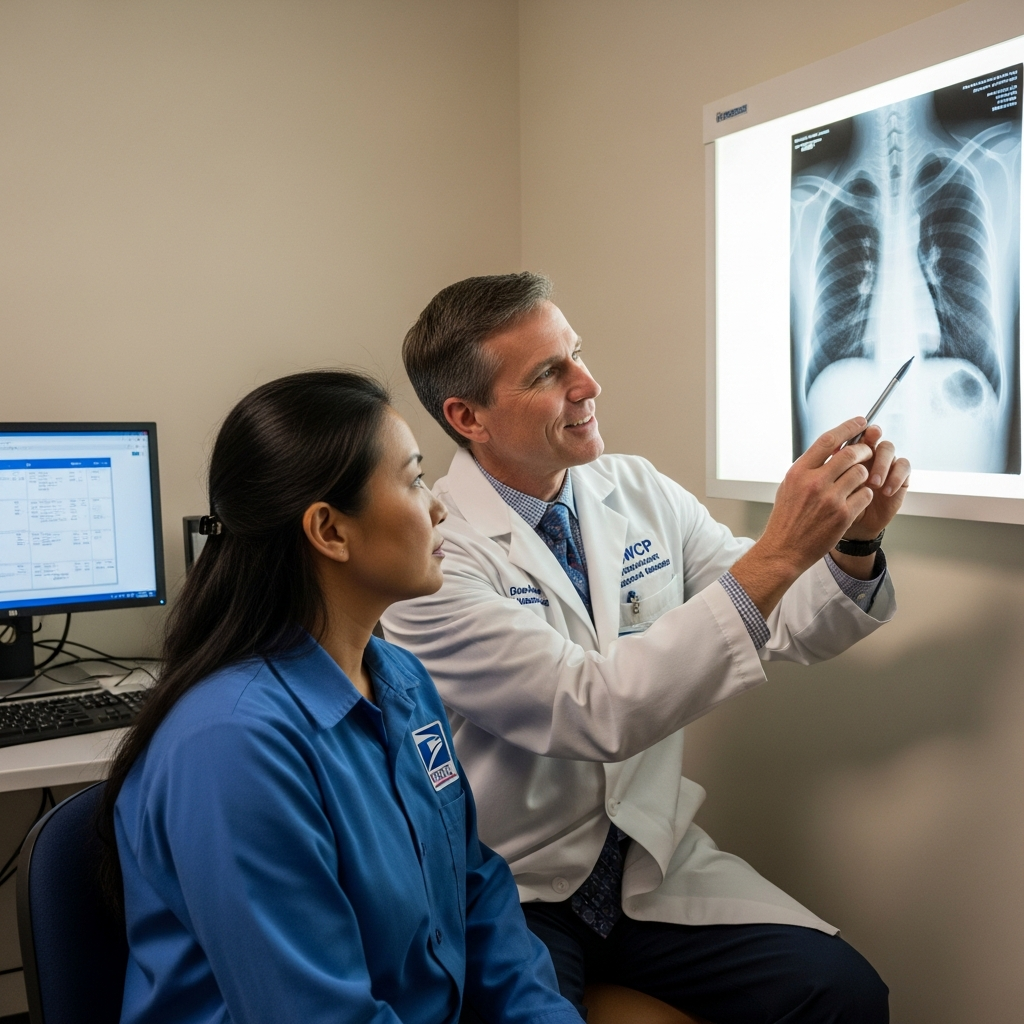
You’re sitting in your cubicle on the third floor of the Federal Building downtown, and your back is absolutely killing you. It’s been three weeks since you twisted it wrong helping move those filing cabinets (because of course the movers didn’t show up that day), and the pain just won’t quit. Your supervisor mentioned something about workers’ compensation forms, but honestly? The whole thing feels like trying to navigate a maze blindfolded.
Sound familiar?
If you’re a federal employee in Denver – whether you’re grinding it out at the IRS office, keeping our skies safe at FAA, or doing the important work at any of the dozens of federal agencies scattered across the Mile High City – there’s a pretty good chance you’ll need to deal with OWCP paperwork at some point in your career. And let’s be real… it’s not exactly user-friendly.
The Forms Maze That Nobody Prepared You For
Here’s what they don’t tell you during orientation: when you get hurt on the job, the paperwork part of your recovery can sometimes feel worse than the actual injury. One missed checkbox, one form filed in the wrong order, one deadline that slips by while you’re dealing with doctor appointments and pain medication… and suddenly your claim is stuck in bureaucratic limbo.
I’ve watched too many hardworking federal employees – people who’ve dedicated years to public service – get tangled up in OWCP forms when they should be focused on getting better. The irony is thick, right? You work for the government, but navigating government paperwork still feels like solving a Rubik’s cube with your eyes closed.
Why Denver Federal Employees Face Unique Challenges
Working in Denver adds its own wrinkles to the OWCP process. Maybe it’s the altitude affecting your healing time (yes, that’s actually a thing). Maybe it’s the winter conditions that caused your slip and fall in the first place. Or perhaps you’re dealing with the specific challenges of working in a high-security federal building where getting the right medical documentation requires extra steps.
Plus – and this might sound silly, but it matters – Denver’s federal workforce is incredibly diverse. We’ve got everything from TSA agents at DIA to Forest Service rangers to VA medical staff. Each type of federal job has its own quirks when it comes to injury claims, and those one-size-fits-all OWCP guides online? They don’t always account for the realities of your specific work environment.
The Real Cost of Getting It Wrong
Here’s what keeps me up at night: I’ve seen federal employees lose months of benefits because they filled out CA-1 instead of CA-2 (or vice versa). I’ve watched people’s claims get denied because they didn’t understand that certain medical documentation needed to be submitted within specific timeframes. Worst of all, I’ve seen dedicated public servants go into debt paying for medical treatment that should have been covered – all because the paperwork maze got the better of them.
That financial stress? It doesn’t just hurt your wallet. It slows down your healing, strains your relationships, and can turn what should be a manageable work injury into a life-altering crisis.
What You’re About to Learn
Look, I’m not going to sugarcoat this – OWCP forms are complicated. But they’re not impossible, especially when you know what you’re doing. In the next few minutes, you’re going to get a clear, step-by-step roadmap that cuts through all the bureaucratic noise.
We’ll walk through every form you might encounter (and when to use each one), explore the specific deadlines that actually matter in Denver’s federal offices, and – this is important – identify those little-known requirements that can make or break your claim. You’ll learn how to work with Denver-area federal occupational health services, understand what documentation your specific agency requires, and discover the common mistakes that trip up even experienced federal employees.
But here’s the best part: this isn’t going to read like a government manual. No dense paragraphs full of regulatory code numbers. No corporate-speak that makes your brain hurt worse than your injury does.
Just practical, real-world guidance from someone who understands that you’re dealing with enough stress already. Because honestly? You shouldn’t have to become a paperwork expert just to get the benefits you’ve earned through years of federal service.
Ready to take control of your OWCP claim?
What Exactly Is OWCP Anyway?
Think of OWCP – the Office of Workers’ Compensation Programs – as your workplace safety net. You know how you’ve got health insurance for when you get sick at home? Well, OWCP is like that, but specifically for when work decides to bite you back.
It’s part of the Department of Labor, and honestly… it can feel like navigating a government maze designed by someone who really, really loved paperwork. But here’s the thing – it’s there to help federal employees when their job literally hurts them.
The Three Main Flavors of Work Injuries
Not all workplace injuries are created equal, and OWCP treats them differently. It’s kind of like how your car insurance handles a fender bender versus a total wreck – different situations, different paperwork.
Traumatic injuries are the dramatic ones – you slip on ice outside the Federal Building, or that filing cabinet decides to attack your foot. These happen suddenly, usually with witnesses, and there’s often a clear “before and after” moment. The paperwork for these? Relatively straightforward (and I use that term loosely when we’re talking about federal forms).
Occupational diseases are the sneaky ones. Carpal tunnel from years of typing reports, hearing loss from working near those ancient HVAC systems, or back problems from… well, sitting in government-issued chairs for decades. These develop over time, which makes proving they’re work-related about as fun as explaining why you need three forms to order office supplies.
Then there’s the aggravation of pre-existing conditions – probably the trickiest category. Maybe you had a bad knee from high school football, but years of climbing stairs in a building where the elevator breaks every other week made it worse. OWCP has to figure out where your old injury ends and your work injury begins. It’s like trying to separate the chocolate from the vanilla in a swirled ice cream cone.
Why Denver Federal Employees Have Some Unique Considerations
Working in Denver adds a few wrinkles to your OWCP claims – and not just because of the altitude (though that dry air can definitely affect certain conditions).
The regional OWCP office here handles claims from across the mountain states, which means they see everything from altitude sickness affecting new transfers to injuries related to our… interesting weather patterns. Ever tried walking into the Federal Building during one of those surprise spring snowstorms? Yeah, they’ve seen those slip-and-fall claims.
Denver’s federal facilities also tend to be older buildings with their own personality quirks. That charming historic courthouse? It might have stairs that weren’t exactly built with modern ergonomics in mind. The newer buildings aren’t immune either – sometimes “energy efficient” translates to “constantly adjusting the thermostat and dealing with dry air.”
The Paper Trail That Actually Matters
Here’s where things get real: OWCP lives and breathes on documentation. Think of it like this – if your claim was a court case (and sometimes it feels like one), the forms are your evidence, your witness statements, and your opening argument all rolled into one.
The forms aren’t just bureaucratic torture devices (though they certainly feel that way sometimes). Each one serves a specific purpose in building your case. Some establish the basic facts – what happened, when, where. Others dive into the medical nitty-gritty. And then there are the ones that track your progress, your return to work, your ongoing treatment…
It’s actually pretty logical once you understand the system’s perspective. OWCP needs to verify that your injury is real, that it happened at work, that the treatment is necessary, and that any time off or accommodation requests are legitimate. The forms are how they gather all that information in a standardized way.
The Reality Check Nobody Talks About
Let’s be honest – this process can be overwhelming. You’re dealing with pain or health issues, trying to navigate unfamiliar paperwork, and probably worried about your job security. Meanwhile, you’re getting forms with numbers like CA-1, CA-2, CA-7… it’s like alphabet soup designed by accountants.
But here’s what I’ve learned from helping folks through this: the system isn’t actually designed to deny your claim. It’s designed to verify it. There’s a difference, even though it doesn’t always feel that way when you’re staring at page three of form CA-20.
The key is understanding that thoroughness works in your favor. The more complete and accurate your paperwork, the smoother your claim process will be.
Getting Your Paperwork Battle-Ready
Look, I’ve seen too many federal employees in Denver stumble at the finish line because their forms looked like they were filled out during a coffee break. Your CA-1 or CA-2 isn’t just paperwork – it’s your financial lifeline while you’re recovering.
Here’s what the claims examiners actually look for (and yes, they’ve told me): complete dates, legible handwriting, and zero contradictions. That incident on March 15th? Don’t write “mid-March” anywhere else in your documentation. Consistency isn’t just nice – it’s non-negotiable.
Before you even touch that pen, make three photocopies of every blank form. Trust me on this one. You’re going to mess up, and starting over beats trying to explain white-out to a federal examiner.
The Devil’s in the Medical Details
Your doctor’s report can make or break your claim, but here’s something most people don’t realize… many Denver-area physicians have never filled out federal workers’ comp forms. They’re used to regular insurance claims, not OWCP’s very specific requirements.
Schedule a separate appointment – don’t try to squeeze this into your regular visit. Bring a printed list of your exact job duties (not just your job title), and explain how your injury specifically prevents you from performing them. Dr. Martinez at Denver Health told me she appreciates when patients come prepared with their physical demands analysis from HR.
Pro tip from the trenches: If your doctor writes “patient cannot perform usual work duties,” that’s too vague. You need specifics like “cannot lift more than 10 pounds due to lumbar strain” or “unable to stand for periods exceeding 30 minutes.” The more specific, the faster your approval.
Timing Isn’t Everything (But It’s Almost Everything)
You’ve got that 30-day window to file, but here’s what nobody tells you – filing on day 29 with incomplete forms is worse than filing on day 35 with bulletproof documentation. OWCP can (and often does) accept late filings if there’s a reasonable explanation.
That said, don’t test their patience. In Denver’s federal buildings, I’ve noticed claims filed before the 15th of any month tend to move faster through the system. Coincidence? Maybe. Worth timing your submission accordingly? Absolutely.
If you’re dealing with a traumatic injury, you’re looking at Form CA-1. Occupational illness or repetitive stress? That’s CA-2 territory. But here’s where it gets tricky – if your carpal tunnel developed suddenly during one specific incident, you might actually file a CA-1, not a CA-2. When in doubt, call the OWCP district office at (720) 264-3000. They’d rather answer questions upfront than deal with refiled claims later.
The Witness Game-Changer
Your supervisor’s signature is required, but their cooperation isn’t guaranteed. I’ve seen too many Denver federal employees get stonewalled by supervisors who view workers’ comp claims as personal attacks on their management style.
Document every interaction. If Supervisor Johnson tells you verbally that he’ll “get to it when he has time,” follow up with an email: “Per our conversation today, you mentioned you’d complete the supervisor portion by Friday…” This creates a paper trail that protects you later.
Here’s an insider move: Identify coworkers who witnessed your incident before you need them. Get their contact information now, while memories are fresh. Three months from now, when OWCP requests witness statements, “I think Sarah from accounting saw it happen” isn’t going to cut it.
Your Documentation Safety Net
Keep everything. And I mean everything. That text message you sent your spouse about your back hurting? Screenshot it with the timestamp visible. The receipt from the urgent care visit? File it. Your supervisor’s eye-roll when you mentioned the injury? Write down the date, time, and witnesses.
Create a simple timeline document with dates, times, and what happened. Include seemingly minor details – you never know what might become crucial later. “Felt sharp pain at 2:30 PM while lifting box from storage room B-12” is infinitely better than “hurt back at work.”
Most importantly, never assume anything is “too obvious” to document. I’ve watched claims get delayed for months because employees didn’t think they needed to specify which knee was injured. The claims examiner isn’t psychic, and they’re not going to give you the benefit of the doubt.
When the Paperwork Feels Like a Full-Time Job
Let’s be real – filling out OWCP forms isn’t exactly anyone’s idea of fun. You’re already dealing with an injury or illness, and now you’ve got to navigate what feels like a bureaucratic maze. The frustration is completely understandable, and honestly? It’s designed to be thorough, which unfortunately means it’s also… well, a bit of a nightmare.
The biggest challenge most Denver federal employees face isn’t the forms themselves – it’s timing. You’ve got 30 days to file your initial claim (CA-1 for traumatic injuries, CA-2 for occupational diseases), but here’s what nobody tells you: those 30 days start ticking from when the injury occurred OR when you first became aware it was work-related. Not when you finally decided to do something about it.
So if you tweaked your back lifting boxes three weeks ago and just now realized it’s not getting better… well, you’re cutting it close. The solution? Don’t wait for the pain to become unbearable. If there’s even a chance your injury is work-related, start the paperwork process. You can always withdraw a claim, but you can’t turn back time.
The Medical Documentation Maze
Here’s where things get tricky – and where most claims hit their first major roadblock. You need your doctor to complete specific sections of your forms, but here’s the thing: many physicians have never seen OWCP paperwork before. They’re used to treating patients, not navigating federal workers’ compensation requirements.
The CA-17 (Duty Status Report) is particularly notorious for causing headaches. Your doctor needs to be incredibly specific about work restrictions. Vague statements like “light duty” or “no heavy lifting” won’t cut it. OWCP wants details: How many pounds can you lift? Can you sit for extended periods? Can you type for more than an hour at a time?
The solution? Before your appointment, prepare a detailed job description for your physician. Don’t just say you’re an office worker – explain that you spend 6 hours daily at a computer, occasionally lift 20-pound boxes, and sometimes need to climb stairs to reach files. The more specific you are about your actual job duties, the better your doctor can assess how your injury affects your work capacity.
Also – and this is crucial – make sure your doctor understands that OWCP forms are time-sensitive. Many claims get delayed simply because medical offices treat these forms like routine paperwork that can sit on someone’s desk for weeks.
The Supervisor Signature Stumbling Block
You’d think getting your supervisor to sign off on your forms would be straightforward, right? Not always. Sometimes supervisors are helpful and understanding. Other times… well, let’s just say workplace politics can complicate what should be a simple administrative task.
Some supervisors worry that approving your claim might reflect poorly on their safety record. Others might question whether your injury is really work-related (spoiler alert: that’s not their call to make – that’s OWCP’s job). And occasionally, you’ll encounter the supervisor who simply doesn’t want to deal with the paperwork.
Here’s your strategy: approach the conversation professionally and come prepared. Bring the completed forms, highlight exactly where their signature is needed, and have copies ready. If they seem hesitant, gently remind them that they’re not determining the validity of your claim – they’re simply acknowledging that an incident occurred or that you’ve reported symptoms related to your work duties.
If you encounter outright resistance? Document everything. Keep records of when you submitted the forms and any conversations about delays. OWCP takes employer cooperation seriously.
When Technology Becomes the Enemy
The OWCP system isn’t exactly cutting-edge. ECOMP (the online portal) can be clunky, forms sometimes don’t save properly, and uploading documents can feel like you’re using dial-up internet from 1995.
My advice? Always, always keep hard copies. Submit everything both electronically AND via certified mail when possible. Yes, it’s redundant, but redundancy is your friend when dealing with federal systems. Take screenshots of confirmation pages, save reference numbers, and keep detailed records of every submission.
And here’s something most people don’t know: if you’re having technical difficulties with ECOMP, you can call the OWCP helpline. They’re actually pretty helpful, and they understand that not everyone is tech-savvy.
The bottom line? These challenges are real, but they’re not insurmountable. With a little preparation and the right approach, you can navigate the system successfully.
Setting Realistic Expectations for Your OWCP Journey
Let’s be honest here – filing an OWCP claim isn’t like ordering something online and getting it delivered in two days. You’re dealing with a federal system that’s thorough (which is good for you) but also… well, thorough (which means it takes time).
Most federal employees I talk to expect their claim to be resolved in a few weeks. That’s understandable – you’re hurt, you need help, and you want answers. But here’s the reality: initial decisions typically take 60 to 120 days. Sometimes longer if your case is complex or if medical documentation needs clarification.
I know that sounds frustrating, especially when you’re dealing with pain or medical bills piling up. But think of it this way – would you rather have a quick decision that gets overturned later, or a thorough review that sticks? The OWCP folks are actually doing you a favor by being meticulous.
What Happens After You Submit Everything
Once you’ve sent in your forms (and double-checked that checklist we talked about), your claim gets assigned to a claims examiner. This person becomes your main point of contact, though you might not hear from them right away.
Here’s what’s happening behind the scenes while you wait… Your examiner is reviewing every piece of paper you sent, verifying employment records, and often requesting additional medical information from your doctor. They might contact your supervisor or witnesses. Sometimes they’ll order an independent medical examination – don’t panic if this happens, it’s pretty routine.
You’ll probably get a letter acknowledging they received your claim within a couple weeks. After that? Radio silence is normal. I know it’s nerve-wracking, but no news usually means they’re just working through the process.
The Decision Letter – What to Expect
When that decision finally arrives, it’ll be… well, it’s going to be very official and probably a bit intimidating. Federal agencies aren’t known for their warm, fuzzy communication style.
If your claim is accepted, congratulations! The letter will outline what benefits you’re entitled to – medical coverage, wage loss compensation if applicable, and any vocational rehabilitation services. You’ll also get information about approved medical providers and how to submit medical bills.
If it’s denied, don’t assume it’s the end of the road. Denials happen for all sorts of reasons – missing documentation, timing issues, questions about whether the injury is work-related. You’ve got rights, including the ability to appeal.
Your Next Steps – The Action Plan
Regardless of the outcome, here’s what you should do immediately
Read everything carefully. I know these letters can be dense and full of federal-speak, but every detail matters. If something doesn’t make sense, call and ask for clarification. The claims examiners are actually pretty helpful once you get them on the phone.
Keep detailed records of every interaction moving forward. Date, time, who you spoke with, what was discussed. Trust me on this one – your future self will thank you if any complications arise.
If your claim was accepted, follow the medical treatment guidelines they provide. Going to unapproved doctors or getting unauthorized treatments can create headaches later. When in doubt, call first.
When Things Don’t Go According to Plan
Sometimes claims get stalled. Maybe your doctor’s office is slow getting records to the examiner, or there’s confusion about the incident details. This is where staying proactive really pays off.
Check in periodically – not every week (that’ll just annoy everyone), but maybe once a month if you haven’t heard anything. Ask specific questions: “What additional information do you need from me?” or “Are there any outstanding medical records you’re waiting for?”
And here’s something a lot of people don’t realize… if your condition worsens or you develop additional complications related to your original injury, you can submit a claim for recurrence or worsening. Don’t suffer in silence thinking your one claim covers everything forever.
The Long Game
Look, I won’t sugarcoat it – dealing with OWCP can test your patience. Some cases wrap up smoothly in a few months. Others drag on for various reasons. What matters is that you’ve done your homework, submitted complete documentation, and stayed engaged in the process.
Remember, this system exists to protect you as a federal employee. Yes, it’s bureaucratic and sometimes frustrating, but thousands of federal workers successfully navigate it every year. You’re not alone in this, and with proper preparation and realistic expectations, you’ll get through it too.
You know what? After walking through all these forms and requirements, I imagine your head might be spinning a little. That’s completely normal – this whole process wasn’t exactly designed with simplicity in mind, was it?
The thing is, you don’t have to navigate this maze alone. I’ve seen too many federal employees in Denver try to soldier through the OWCP paperwork by themselves, thinking they need to have it all figured out. But here’s the truth – even the most organized, detail-oriented people can benefit from having someone in their corner who understands the ins and outs of these forms.
Think of it like assembling that complicated piece of furniture from IKEA… you know, the one with 47 steps and those tiny pictographic instructions that somehow make perfect sense and no sense at all simultaneously. Sure, you could spend your weekend wrestling with it alone, getting increasingly frustrated when piece Q doesn’t seem to fit into slot R. Or you could call that friend who’s put together a dozen of these things before.
That’s essentially what we’re offering here. We’ve been through this process with countless federal employees – folks from the postal service dealing with repetitive strain injuries, park rangers with back problems, office workers struggling with workplace stress that’s affecting their physical health. We’ve seen the common pitfalls, the forms that get kicked back for the tiniest missing detail, the medical evaluations that need just the right kind of documentation.
What really matters isn’t just getting your forms submitted (though that’s obviously important). It’s making sure you’re getting the support you need – both for your injury and for your overall health. Sometimes a workplace injury becomes the wake-up call that helps someone realize they want to make bigger changes in their life. Maybe it’s finally addressing that weight gain that’s been bothering you, or developing better stress management techniques, or just feeling more confident about advocating for your health needs.
We get it. You’re already dealing with pain or health issues, you’re probably stressed about work and income, and now you’ve got this bureaucratic mountain to climb. The last thing you need is to feel lost in paperwork or wonder if you’re doing everything right.
Here’s what I want you to know – reaching out for help isn’t admitting defeat. It’s being smart about your resources and your time. You wouldn’t try to do your own electrical work or represent yourself in court just because you’re capable of reading the manual, right?
If you’re feeling overwhelmed by any part of this process – whether it’s the OWCP forms themselves, understanding your benefits, or figuring out how to best support your health during recovery – we’re here. Not to sell you anything you don’t need, but to be that knowledgeable friend who’s been through this before.
Give us a call. Ask questions. Let us help you figure out the next step that makes sense for your specific situation. Because honestly? You deserve support that feels… well, supportive. Not complicated, not pushy, just genuinely helpful. That’s what we’re here for.