
DOL Doctors: Role in Federal Workers Compensation in Denver
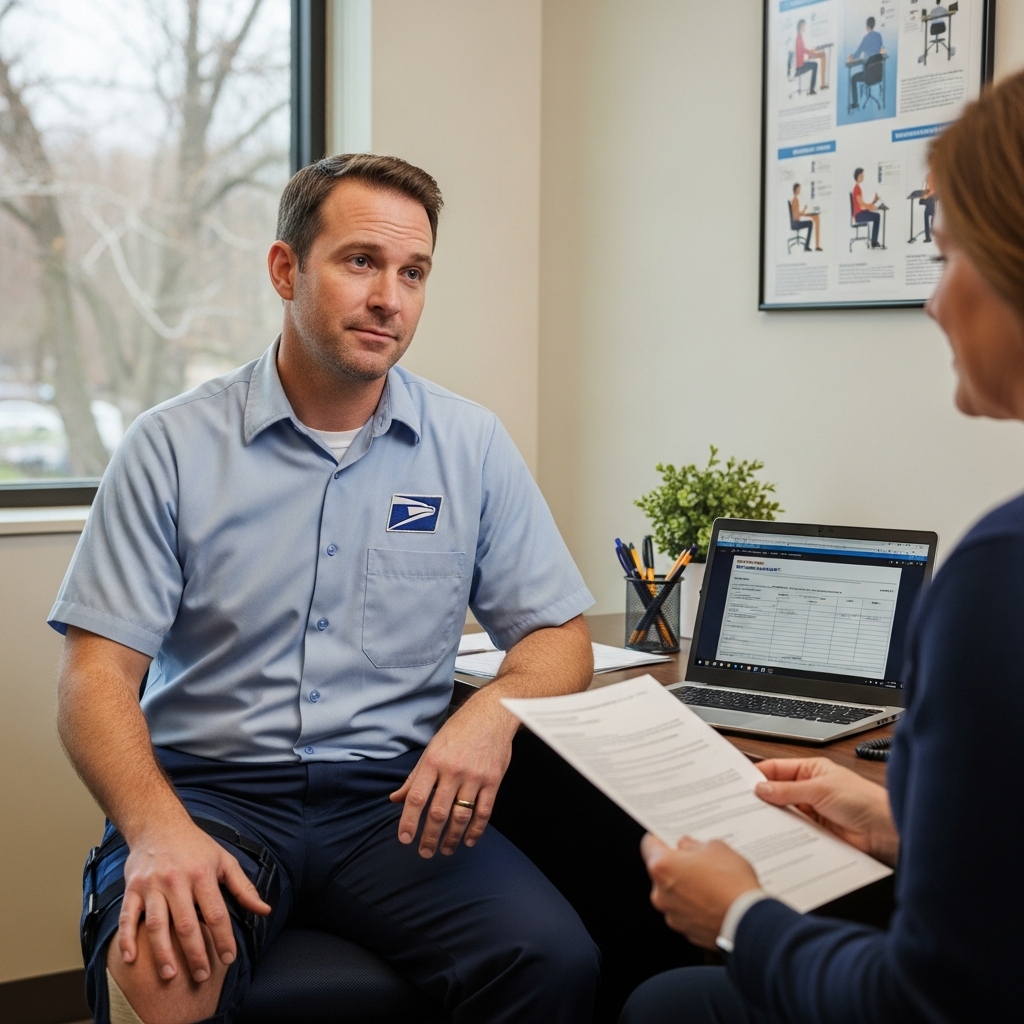
Picture this: You’re a federal employee – maybe you work for the postal service, or a VA hospital, or a federal courthouse right here in Denver. You’re doing your job, just like any other day, and then something goes wrong. A slip on a wet floor. A repetitive strain injury that’s been quietly building for months. A back injury from lifting that finally crosses a line you can’t walk back from. Suddenly you’re dealing with pain, paperwork, missed work, and a benefits system that feels like it was designed by someone who genuinely enjoys watching people struggle.
Sound familiar?
Here’s the thing most federal workers don’t realize until they’re right in the middle of it – the workers’ compensation system for federal employees is fundamentally different from what private-sector workers go through. It’s not Colorado’s state system. It’s not your employer’s HR department calling the shots. It’s a federal program called OWCP (that’s the Office of Workers’ Compensation Programs), and it has its own rules, its own forms, its own timelines, and – this is the part that trips almost everyone up – its own specific requirements for medical documentation.
That last part is where DOL doctors come in.
DOL doctors are medical providers who understand how to work within the Department of Labor’s workers’ compensation framework. And honestly? The difference between having one in your corner versus seeing a provider who’s unfamiliar with the federal system… it can mean the difference between a claim that moves forward smoothly and one that stalls for months – or gets denied entirely – over paperwork technicalities that have nothing to do with how badly you’re actually hurt.
That probably sounds frustrating. It is. But it doesn’t have to be your story.
Why Denver Federal Workers Face Unique Challenges
Denver is home to a significant federal workforce. The Denver Federal Center alone is one of the largest concentrations of federal agencies outside Washington D.C. Add in the postal workers, IRS employees, Transportation Security Administration staff, Veterans Affairs personnel, and the dozens of other federal agencies operating along the Front Range – and you’ve got tens of thousands of workers who fall under federal compensation rules rather than Colorado’s state system.
Most of them have no idea what that means until the moment they need to use it.
And here’s what makes it especially complicated: not every doctor in the Denver metro knows how to handle OWCP cases properly. They might be excellent physicians – truly skilled clinicians – but if they’re filling out the wrong forms, using language that doesn’t align with DOL requirements, or missing specific causal relationship documentation… your claim suffers. Not because your injury isn’t real. Not because you don’t deserve compensation. But because the system has very particular expectations, and someone has to know how to meet them.
What You’re Actually Going to Learn Here
This article is going to walk you through the real, practical stuff. We’re talking about what DOL doctors actually do in the context of federal workers’ compensation, why their role matters so much more than most injured workers initially understand, and how finding the right provider in Denver can genuinely change the outcome of your case.
We’ll cover how the OWCP process works – without drowning you in bureaucratic language – and what medical documentation actually needs to look like to give your claim the best possible chance. We’ll talk about what to look for when you’re trying to find a qualified DOL doctor in the Denver area, what questions to ask, and what red flags to watch for.
Actually, that reminds me of something worth saying upfront: this isn’t about gaming the system or finding shortcuts. It’s about understanding how a complex federal program works so you can access the benefits you’ve legitimately earned as a federal employee. There’s a big difference between those two things.
Whether your injury happened yesterday or you’ve been struggling through a claim that feels stuck in limbo, understanding the role of DOL doctors is probably the most important thing you haven’t been told yet. The federal workers’ compensation system has a reputation for being slow and complicated – and sometimes that reputation is earned – but having the right medical support from the start changes everything.
Let’s get into it.
How Federal Workers’ Comp Actually Works (It’s Not What You’d Expect)
Here’s the thing that trips up a lot of federal employees in Denver – federal workers’ compensation isn’t run through Colorado’s state system at all. While your neighbor who works for a private company might file through Colorado’s Division of Workers’ Compensation, you’re operating under a completely separate federal program called the Federal Employees’ Compensation Act, or FECA. Think of it like this: state workers’ comp and federal workers’ comp are cousins, not twins. Same general family resemblance, very different personalities.
FECA is administered by the Office of Workers’ Compensation Programs – most people just call it OWCP – which is a division of the U.S. Department of Labor. Hence the name “DOL doctors.” These are physicians who understand how to document, treat, and communicate within this specific federal system. And that distinction matters more than most people realize when they’re sitting in an ER after a workplace injury.
Why the “Department of Labor” Part Actually Matters
So why does it matter which agency oversees your claim? Because OWCP has its own rules, its own forms, its own deadlines, and – this is the part people don’t always appreciate – its own medical documentation requirements. A doctor who’s fantastic at treating your injury might have no idea how to fill out an OWCP Form CA-17 or write a narrative report that satisfies a federal claims examiner.
It’s a little like hiring someone who’s a brilliant chef but has never worked in a commercial kitchen. Talent isn’t the problem. Knowledge of the specific environment is.
When your medical documentation doesn’t align with what OWCP expects to see, claims get delayed. Sometimes denied. Not because your injury isn’t real or serious, but because the paperwork doesn’t speak the right language. That’s genuinely frustrating – and honestly, a little unfair – but it’s the reality of how this system operates.
The Difference Between Authorized and Non-Authorized Treatment
Here’s something that confuses a lot of people, and understandably so. Under FECA, you generally have the right to choose your own physician – which sounds great. But that physician needs to be what’s called an “authorized” provider under the OWCP system, or you risk having treatment costs rejected.
Think of it like using an out-of-network doctor with your health insurance. Technically you can see them, but whether someone else pays for it is a whole different question.
DOL doctors – physicians who work with OWCP cases regularly – already know how to bill correctly, document appropriately, and communicate with your claims examiner in ways that keep your case moving forward rather than stalling out in administrative limbo.
What OWCP Actually Needs to See
This is where things get a bit technical, but stick with me because it matters. The Department of Labor’s OWCP doesn’t just need to know that you’re hurt. They need specific documentation connecting your injury or illness directly to your federal employment. This is called establishing “causal relationship,” and it’s one of the most critical pieces of any FECA claim.
A doctor who’s experienced with DOL cases knows how to write what’s sometimes called a “mechanism of injury” narrative – essentially a clear medical explanation of how your job duties caused or contributed to your condition. Without this, your claim is essentially just paperwork floating in a void.
There’s also the concept of maximum medical improvement (MMI), work capacity forms, and treatment plans that need to align with OWCP guidelines. Each of these has its own rhythm within the system. Miss a beat, and your benefits can be interrupted.
The Denver Angle
Denver has a substantial federal workforce – postal workers, VA employees, federal law enforcement, government contractors, and more. Which means there’s a real need for physicians in the area who actually understand the OWCP process rather than learning on the fly while managing your case.
Actually, that’s worth pausing on for a second. A doctor “learning the system” while treating you sounds fine in theory. In practice? It usually means delays, resubmitted forms, and frustrated phone calls with your claims examiner while your case sits in a queue somewhere.
The whole point of working with a physician experienced in DOL cases is that they’ve already made those mistakes – on someone else’s paperwork, years ago – so yours doesn’t have to be the learning curve.
What Denver Federal Workers Actually Need to Know Before Their First Appointment
Here’s something most people don’t realize until it’s too late – your first appointment with a DOL doctor sets the tone for *everything* that follows. The documentation from that initial visit becomes the foundation of your entire claim. So before you walk through that door, get your story straight. Not fabricated – straight. Write down every symptom, every limitation, every task you can no longer do at work. The specifics matter enormously. “My back hurts” gets you nowhere. “I can’t stand for more than 12 minutes without sharp radiating pain down my left leg” gives a physician something to work with.
Bring a written timeline of your injury to that first appointment. When did it happen? What were you doing? Did you report it immediately, or did you push through for a few weeks first (which, honestly, a lot of federal workers do)? The DOL wants this story to be consistent across every document, every form, every conversation – so having it written down protects you from the mental fog that hits when you’re nervous in a clinical setting.
Navigating the CA-2 vs. CA-1 Question
This distinction trips people up constantly, and getting it wrong can delay your claim by months. The CA-1 is for traumatic injuries – something specific happened on a specific date. Slipped on wet floor in the loading dock, February 14th, that kind of thing. The CA-2 covers occupational disease or illness that developed gradually over time – repetitive stress injuries, cumulative hearing loss, conditions that crept up on you.
Why does this matter for your DOL doctor visit? Because the physician needs to document your condition in a way that matches your form type. If there’s a mismatch – if you filed a CA-1 but your doctor’s notes describe a gradual onset condition – that inconsistency becomes a problem. Flag this with your doctor explicitly. Ask them directly: “Does what I’m describing align with how this claim is filed?” A good DOL-experienced physician in Denver will know exactly what you mean.
Working With (Not Against) the Owcp Process
The Office of Workers’ Compensation Programs runs on paperwork – there’s really no way around it. Your DOL doctor should be submitting Form CA-20 (the Attending Physician’s Report) regularly if you’re receiving continuing treatment. If you’re not sure whether this is happening, ask. Actually, ask every single visit. Something like “Has my CA-20 been submitted for this period?” is a completely reasonable question and a good physician won’t be annoyed by it.
One thing that genuinely helps – and this is something most people don’t do – is keeping your own copy of every medical document. Every note, every report, every referral. Create a folder, physical or digital, and be obsessive about it. Federal workers’ comp claims can drag on, physicians change, offices lose paperwork… having your own complete record has saved more than a few claims from falling apart.
Getting Referrals Right in Denver’s System
If your DOL doctor thinks you need a specialist – an orthopedist, a neurologist, whoever – that referral needs to go through proper OWCP authorization channels before you just… schedule the appointment. This is where a lot of Denver federal employees accidentally create out-of-pocket expenses that are really hard to recover. The authorization process takes time, which is frustrating when you’re in pain, but skipping it creates a much bigger headache down the road.
Your treating DOL physician should know this process cold. If they seem uncertain about OWCP referral procedures, that’s actually useful information – it tells you something about their experience level with federal claims specifically, versus general workers’ comp in Colorado.
The Return-to-Work Conversation
Here’s an honest truth that makes people uncomfortable: the DOL system is designed to get you back to work, ideally in some capacity, as soon as medically reasonable. That’s not a bad thing – it’s just the reality. Your DOL doctor will likely be documenting your functional capacity and any work restrictions throughout your treatment.
If you genuinely can’t perform your regular duties, be specific about what you *can* and *cannot* do physically. “Light duty” means different things to different people. Tell your physician precisely – “I cannot lift more than 10 pounds, cannot sit for more than 30 minutes” – so your restrictions are documented with enough specificity to actually protect you when HR or your supervisor starts asking questions.
When the System Doesn’t Work the Way You Expected
Let’s be honest – federal workers’ comp isn’t exactly user-friendly. The Office of Workers’ Compensation Programs (OWCP) process can feel like you’re trying to solve a puzzle where someone keeps moving the pieces. Most federal employees in Denver come in frustrated, confused, or both. That’s not a character flaw. The system is genuinely complicated.
Here’s what actually trips people up, and what you can do about it.
Finding a DOL-Authorized Doctor Who Takes Your Case Seriously
This is probably the most common complaint we hear. Yes, there are DOL-authorized physicians in Denver – but “authorized” doesn’t automatically mean experienced with federal workers’ comp billing, familiar with OWCP documentation requirements, or frankly, interested in the extra paperwork burden that comes with these cases.
Some injured federal workers end up bouncing between providers before finding someone who actually knows how to submit CA-16 and CA-17 forms correctly. One wrong code, one missing piece of clinical documentation, and your claim can stall for weeks.
The solution? Ask directly before your appointment. Call the office and ask whether they regularly treat federal employees under OWCP, not just whether they accept it. There’s a real difference. A practice that sees three federal workers a year versus one that actively specializes in DOL cases… that gap matters more than most people realize.
The Documentation Gap That Sinks Otherwise Valid Claims
This one stings because it’s so preventable. Your injury happened. It’s real. Your pain is real. But if your treating physician doesn’t connect your condition to your work duties in writing – with specific, clinical language – OWCP has grounds to question or deny coverage.
Federal claims require what’s essentially a medical narrative that tells a story: what happened, how it relates to your specific job functions, and what treatment is medically necessary as a result. Vague notes like “patient reports back pain” don’t cut it. Neither does a doctor who’s great at treating your injury but doesn’t understand why the paperwork matters.
What actually helps is coming to your appointments prepared. Bring your job description. Write down the specific incident or exposure. Ask your doctor explicitly to document the causal relationship between your work duties and your diagnosis. It feels awkward to direct your own medical documentation, but for OWCP purposes, it’s necessary. Don’t assume it happens automatically.
Treatment Delays While Waiting for Authorization
Here’s a frustrating reality – even after you’ve found the right provider and filed correctly, you may still be waiting on OWCP authorization for certain treatments. Physical therapy, specialist referrals, MRIs… these often require prior approval, and the timeline isn’t always fast.
In the meantime, your condition can worsen. That’s a legitimate concern, not just impatience.
What you can do is ask your doctor about the emergency authorization process for urgent situations. For non-emergency care, having your physician submit detailed medical justification upfront – rather than a bare minimum referral – tends to speed things along. OWCP reviewers are more likely to approve quickly when the clinical reasoning is crystal clear.
Return-to-Work Pressure Before You’re Ready
Actually, this one doesn’t get talked about enough. Federal employees sometimes feel pressure – subtle or not-so-subtle – to return to work before they’ve fully recovered. There’s a real tension between your agency’s operational needs and your medical needs.
Your DOL-authorized physician plays a critical role here. Their work capacity documentation carries weight. If you’re not ready for full duty, your doctor needs to specify that clearly – what you can and cannot do, and why. “Modified duty” recommendations should be medically grounded, not just a compromise.
If you’re feeling pressured in ways that don’t align with your medical status, document those conversations and loop in your union rep if you have one.
When Claims Get Denied
It happens. And it feels awful – like being told your suffering doesn’t count. But a denial isn’t necessarily final.
You have the right to appeal, and the reconsideration process allows you to submit additional medical evidence. This is where having thorough documentation from the start pays off. Additional supporting opinions from your treating physician, or sometimes a second medical opinion, can turn a denial around.
Don’t give up after one “no.” Federal workers’ comp has appeals mechanisms for a reason. Use them.
What to Actually Expect (And When)
Let’s be honest with you here – federal workers’ comp moves slowly. If you’re expecting a quick resolution, that expectation needs some adjusting. This isn’t a criticism of the system, it’s just reality, and you deserve to know upfront rather than feel blindsided three months from now when paperwork is still in progress.
Most injured federal workers in Denver are looking at weeks – sometimes months – before their case reaches anything resembling stability. The initial claim filing, the medical evaluations, the back-and-forth with OWCP… it layers. Each step has its own processing time, and those times can stack in frustrating ways.
The First Few Weeks
Right after your injury, the focus is purely medical. Your DOL doctor will be documenting everything – your symptoms, functional limitations, how the injury occurred, and what treatment is recommended. This documentation phase matters enormously, so don’t rush through appointments thinking it’s just paperwork. It isn’t. These early records become the foundation of your entire case.
You should expect to hear from OWCP within a few weeks acknowledging your claim, but “acknowledging” isn’t the same as “approving.” Don’t confuse the two. An acknowledgment letter just means they received it. Actual decisions take longer.
The Waiting Period (This Is Normal, We Promise)
Here’s something nobody tells you – the waiting is hard even when everything is going right. A claim that’s processing normally can still feel stalled. OWCP in Denver typically takes 30 to 60 days to make an initial determination on a straightforward case. If your case involves disputed circumstances, additional medical evidence, or if OWCP has questions about the work-relatedness of your injury? Add more time.
Your DOL doctor will likely need to see you multiple times during this stretch. Those follow-up visits aren’t filler – they’re building the medical narrative that supports your claim. Missing appointments, or skipping them because you’re feeling better, can actually create gaps in your documentation that complicate things later.
Actually, that reminds me of something worth mentioning – “feeling better” and “being released to full duty” are two different things. Don’t self-discharge from care before your physician actually clears you.
Treatment, Referrals, and Second Opinions
Depending on your injury, your DOL doctor may refer you to specialists – orthopedics, neurology, physical therapy, whatever’s clinically appropriate. Here’s where things can slow down again. OWCP has to authorize these referrals, and that authorization process has its own timeline. Your doctor will submit the request; then you wait for approval before you can schedule.
It’s frustrating, yes. But working with a DOL-experienced physician in Denver actually helps here, because they understand how to write authorization requests in the language OWCP expects. A request that’s missing specific diagnostic codes or clinical justifications can get kicked back, which means starting the authorization clock over.
When Disputes Come Up
Sometimes OWCP requests an independent medical examination – essentially, their own physician reviewing your case. This doesn’t automatically mean your claim is in trouble, though it can feel alarming. These examinations happen for all kinds of reasons. What it does mean is that your DOL doctor’s thorough, consistent documentation becomes even more important. Conflicting records are what sink claims, not the independent exams themselves.
If your claim gets denied or modified in a way you disagree with, you have appeal rights. That process has its own separate timeline, and at that point you’d likely want to loop in a workers’ comp attorney who specializes in federal cases.
Moving Toward Resolution
“Resolution” looks different for everyone. Some injured federal workers in Denver return to their full duties after a defined treatment period. Others reach what’s called maximum medical improvement – a point where further significant improvement isn’t expected – and may need accommodations, retraining, or a different outcome entirely.
Your DOL doctor will play a role in determining that status, which is why the relationship you build with them matters. Be honest about your symptoms. Show up to appointments. Ask questions when you don’t understand something.
The path through a federal workers’ comp claim isn’t always smooth, and it rarely moves as fast as anyone would like. But knowing what’s normal – the delays, the documentation requests, the multiple appointments – takes some of the anxiety out of it. You’re not being ignored. You’re moving through a process that has a lot of moving parts.
Work the process. Keep your records. And give yourself some grace while this unfolds.
If you’ve made it this far, you probably have questions – maybe a lot of them. And honestly? That makes complete sense. Federal workers’ compensation is genuinely complicated, and navigating it while you’re also dealing with an injury, pain, or the stress of not being able to work the way you used to… that’s a lot to carry.
Here’s what we want you to take away from all of this: you don’t have to figure it out alone, and finding the right medical support really does make a difference.
A DOL physician isn’t just someone who fills out paperwork (though yes, they do that, and they do it correctly – which matters more than most people realize). They’re the person who understands the specific language OWCP needs to hear, who knows how to document your condition in a way that actually reflects what you’re going through, and who can help keep your case moving forward instead of getting stuck in bureaucratic limbo. That kind of expertise is genuinely hard to find, and when you find it, it changes things.
Denver Federal Workers Deserve Proper Care
There’s something that gets overlooked a lot in these conversations – the human side of it. You got hurt doing your job. Whether you’re a postal worker, a federal office employee, a veteran affairs staffer, or anyone else serving in a federal role, you showed up and something went wrong. The system exists to support you through that. But the system only works when you have providers who know how to work within it.
Denver has a real need for experienced DOL-aligned medical care, and the good news is that it’s available. You shouldn’t have to drive hours or fight to find someone who actually understands OWCP requirements, CA-series forms, or what “work-related causation” means in a medical report context. That support should be accessible – and it is.
Your Next Step Doesn’t Have to Feel Overwhelming
If you’re still sorting out what you need, that’s okay. Maybe you’re early in the process and just trying to understand your options. Maybe you’ve already hit a wall with a denial or a delay and you’re feeling frustrated and stuck. Or maybe you’re somewhere in between – recovering, uncertain, wondering what comes next.
Whatever stage you’re at, reaching out is worth it. A simple conversation with a provider who understands federal workers’ comp can clarify so much – what documentation you need, whether your current treatment plan aligns with OWCP expectations, and what realistic next steps look like for your specific situation.
We’re not here to pressure you into anything. We just know how isolating this process can feel, and we genuinely want to help. If you’re a federal employee in the Denver area dealing with a work-related injury, we’d love to hear from you – no judgment, no runaround, just a real conversation about how we can support your recovery and help your claim reflect the full picture of what you’re going through.
Reach out when you’re ready. We’ll be here.